


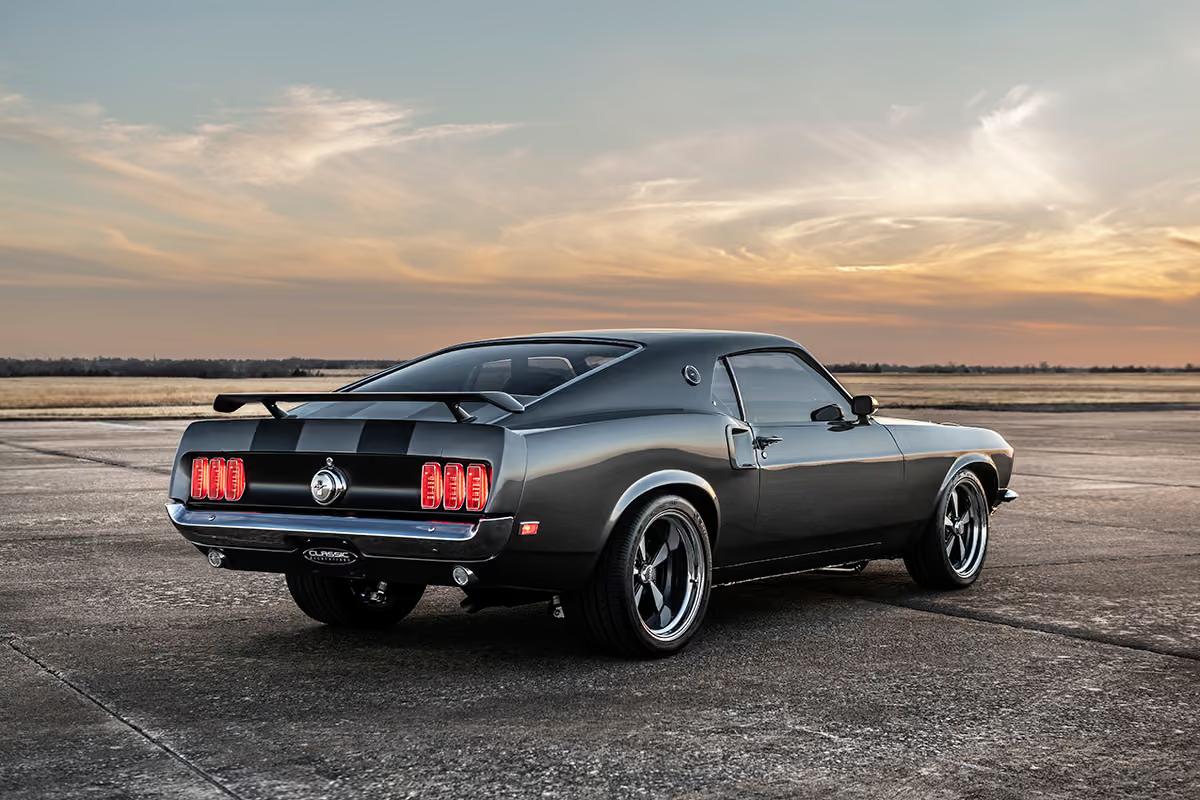
What Makes a Mustang Truly Collectible?
Few cars carry the cultural weight of the Ford Mustang. Since its debut in 1964, the classic Ford Mustang has evolved from an affordable sporty coupe into one of the most recognizable performance cars in the world. Its place as an American icon is secure, yet the Mustang’s massive production numbers create a fascinating paradox. Millions were built, but only certain examples rise to the level of true collectible Mustangs. Understanding why requires looking beyond age or horsepower and focusing on the deeper traits that sustain long-term enthusiasm.
The Mustang’s popularity has always been a double-edged sword. Because Ford produced Mustangs in such large volumes, most cars on the road today are not particularly rare. Within that huge production history, however, are specific trims, packages, and purpose-built performance models that have earned lasting respect among enthusiasts. These collectible Mustang cars typically blend limited production, meaningful engineering, and cultural relevance that resonates across generations.
What “Collectible” Means in Today’s Market
In today’s Mustang landscape, the meaning of “collectible” has broadened. A collectible Mustang is one that enthusiasts consistently care about and want to preserve. That often includes historically significant, low-production performance models, but it can also include cars that carry strong emotional importance for a generation of owners. Price alone does not define collectibility. Some Mustangs experience temporary value spikes, while others build durable appeal through their story, rarity, originality, and the memories they represent.
When enthusiasts ask what year Mustang is the most valuable, the discussion usually turns to models that pushed performance forward or carried real racing credibility. At the same time, many hobbyists also debate what year Mustang is most collectible, a question that increasingly includes emotional and generational appeal alongside raw performance. The cars that endure typically balance genuine historical importance with the sentimental pull that keeps new buyers interested.
Original vs Restored vs Continuation vs Restomod
Original survivor cars, factory-correct restorations, licensed continuation vehicles, and modified restomods each occupy distinct positions in the Mustang world.
Highly original survivor cars have gained significant appreciation because they preserve factory paint, assembly markings, and untouched interiors that restorations can miss. Their time-capsule authenticity often carries more weight than cosmetic perfection.
Well-executed, factory-correct restorations remain respected, especially when thoroughly documented and faithful to original specifications. The goal is accuracy—not improvement. In fact, over-restoration can hurt credibility when finishes appear better than what Ford originally produced. Today’s collectors tend to value honesty over flawless presentation.
Licensed continuation cars add another layer. These newly built, officially sanctioned recreations of historically significant Mustangs do not replace original-production cars, but they hold a recognized place within modern collectibility due to their formal authorization and documented lineage.
Restomods stand apart. By blending classic Mustang styling with modern performance upgrades, they appeal to enthusiasts seeking drivability and customization rather than factory originality. While often desirable and valuable, they serve a different audience than purist collectors.
Valuable, Rare, and Collectible
It helps to separate terms that often get used interchangeably. A Mustang can be rare simply because few were produced, yet rarity alone does not ensure lasting demand. Value reflects what buyers will pay at a given moment and can shift with market conditions. Collectibility is more durable. The most collectible Mustangs tend to combine limited production with historical importance, enthusiast recognition, and verified authenticity.
This distinction explains why some low-volume appearance packages never developed strong followings, while performance-focused cars with real motorsports connections built reputations that strengthened over time. Among serious hobbyists, the hierarchy of collectible Ford Mustangs usually reflects engineering substance more than cosmetic exclusivity.
Racing Heritage and the Shelby Effect
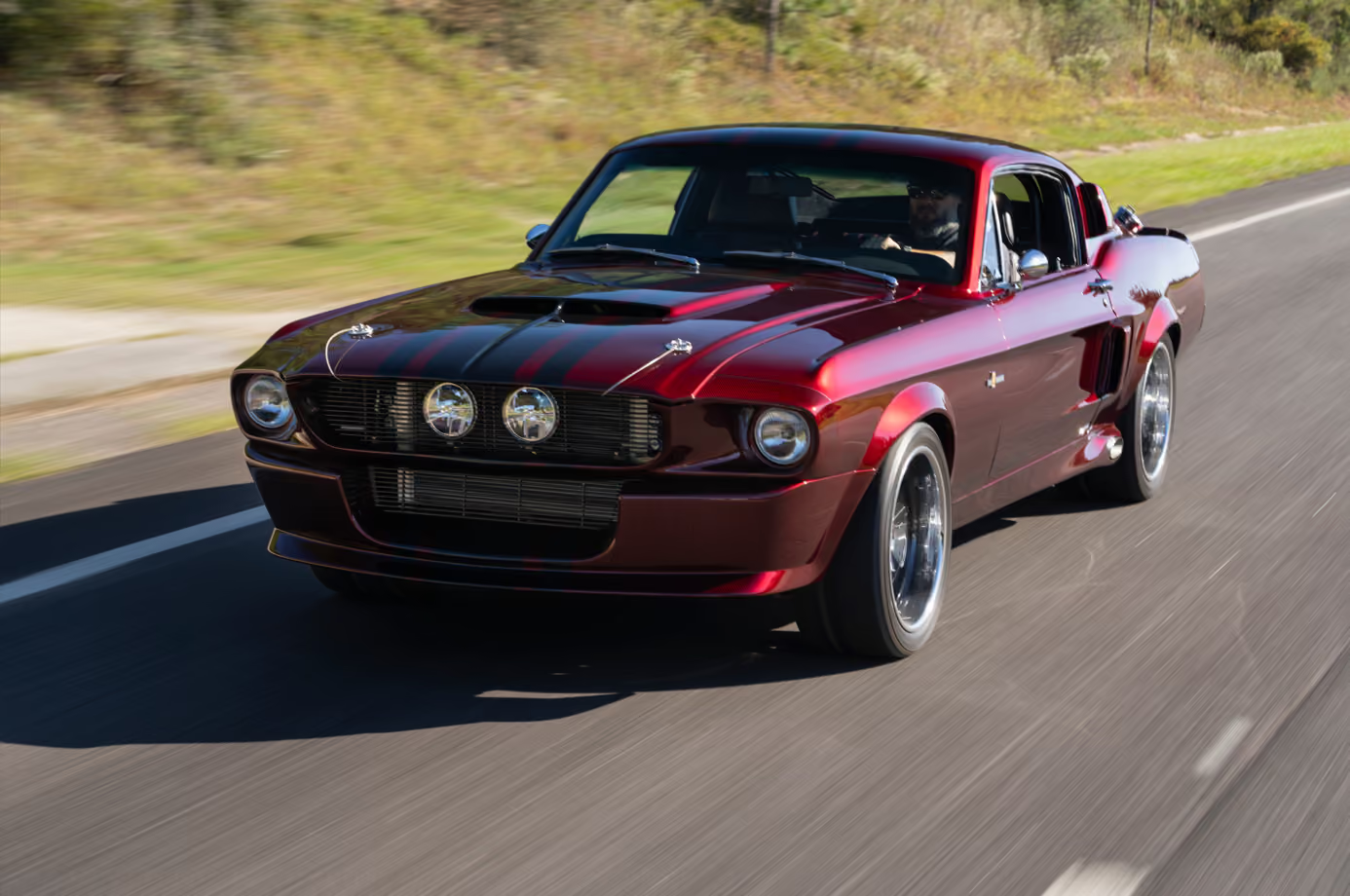
No conversation about collectible Mustang cars is complete without Carroll Shelby’s influence. Shelby-modified Mustangs demonstrated that the pony car platform could compete seriously on track. The GT350 and GT500 programs gave the Mustang genuine motorsports credibility and established a blueprint that still shapes collector preferences.
Shelby’s work elevated the Mustang’s reputation and helped define what many enthusiasts still consider the most collectible Mustangs. Cars from this era benefited from meaningful mechanical upgrades and relatively limited production. Decades later, that racing pedigree continues to strengthen the standing of early collectible Ford Mustangs.
Licensing and Brand Legitimacy
Licensed continuation vehicles, produced with manufacturer approval and serialized documentation, occupy a distinct category within modern collectibility.
Factory involvement and official licensing often strengthen a Mustang’s long-term standing. Cars produced or endorsed by Ford Performance or Shelby American generally carry more credibility than aftermarket tributes or clones. While tribute builds can be beautifully executed and enjoyable to own, the collector market usually places greater emphasis on verified factory lineage.
Brand legitimacy matters because it ties the car directly to the original manufacturer’s heritage. Official VIN structures, documented production records, and factory-backed programs provide confidence that extends beyond aesthetics. As the Mustang hobby matures, this distinction plays an increasingly meaningful role in how vehicles are categorized within the broader world of collectible Mustangs.
Authenticity and Numbers-Matching
Authenticity sits at the center of the collectible Mustangs market. Vehicles that retain their factory configuration and original major components generally attract the strongest interest. The concept of numbers-matching is especially important. In Mustang terms, this usually means the car still carries its original engine and often its original transmission and rear axle.
A numbers-matching example gives collectors confidence that the vehicle remains close to its factory-built state. While modified cars can be enjoyable and sometimes valuable, the highest tier of collectible Mustang cars typically emphasizes verified originality and careful preservation.
Production Numbers vs. Survival Rate
New enthusiasts often focus heavily on original production totals, but seasoned collectors also study survival rate. A Mustang built in relatively high numbers can still become desirable if only a small percentage of examples remain intact. Decades of daily driving, racing, and modification reduced the population of many early models. As a result, well-preserved cars sometimes achieve stronger interest than their production figures might suggest.
This dynamic helps explain why certain models gradually rise within the ranks of collectible Ford Mustangs long after their release.
Documentation and Provenance
Paperwork often separates good collectible Mustangs from great ones. Thorough documentation strengthens credibility and helps verify a car’s history. Items such as the original window sticker, build sheet, factory invoices, and ownership records all contribute to provenance. Period photos and known ownership stories can further enhance desirability.
Among serious buyers of collectible Mustang cars, documentation can significantly influence perception. Two visually similar cars may generate very different levels of interest depending on how well their histories are documented.
Nostalgia and Generational Shifts
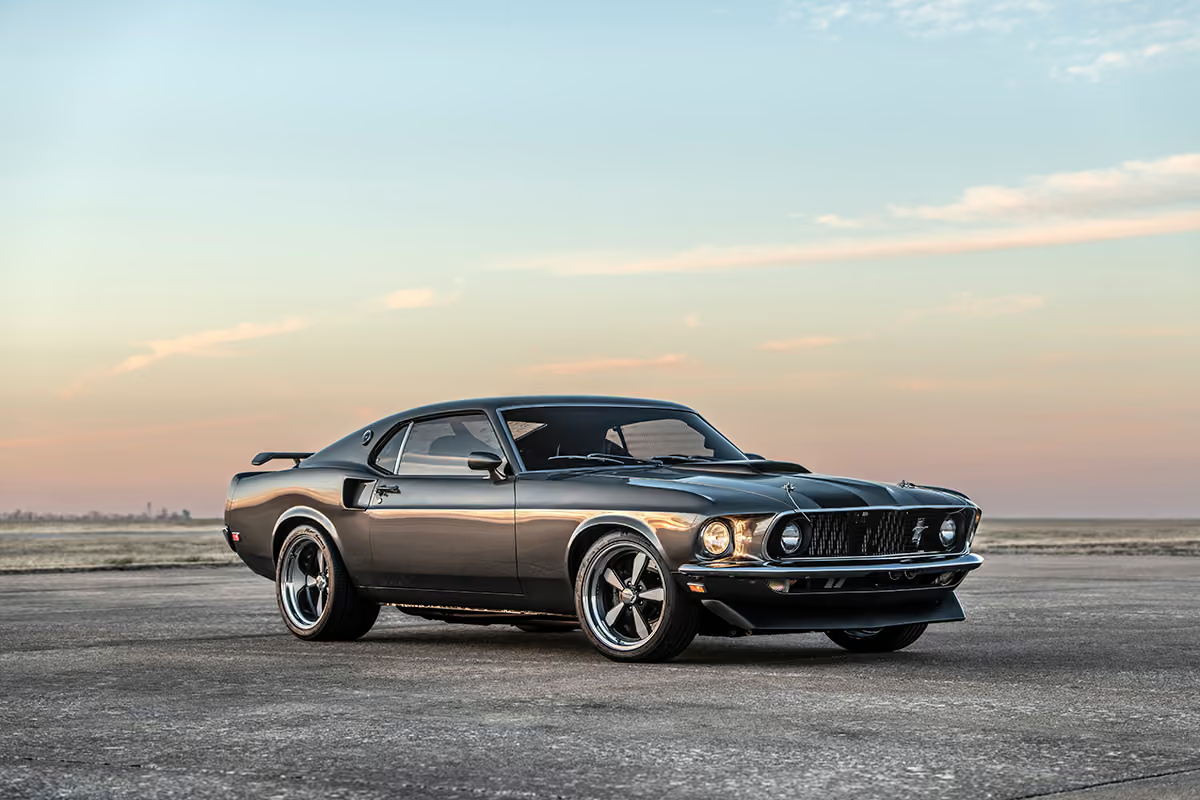
Nostalgia plays a role in the Mustang hobby, though it does not always determine long-term collectibility. As different generations reach peak earning years, interest often shifts toward the cars they admired growing up. This pattern has helped Fox Body models and certain 1990s Mustangs gain renewed attention.
Sustained appeal, however, usually requires more than sentiment. The cars that consistently rank among the most collectible Mustangs typically combine performance significance, limited production, and strong documentation. This is why debates about what year Mustang is the most valuable often return to a familiar group of historically important models, even as newer enthusiasts continue to ask what year Mustang is most collectible for their generation.
Modern Mustangs and Future Collectibles
The Mustang story continues to evolve. Modern high-performance models such as the GT500, Dark Horse SC, and the track-focused GTD are developed with far more awareness of the collector audience. Limited production strategies, advanced engineering, and strong factory documentation suggest that future collectible Mustangs may emerge from this era.
Whether these newer cars ultimately join the ranks of the most collectible Mustangs will depend on long-term enthusiast demand and preservation. What is clear is that the pipeline of potential future collectible Ford Mustangs remains strong.
Final Thoughts
The enduring appeal of collectible Mustangs comes from the car’s unique position in automotive history. Ford built the Mustang for the masses, yet certain versions achieved lasting significance through racing success, thoughtful engineering, and strong documentation. As the hobby evolves and new generations of enthusiasts enter the market, the definition of the most collectible Mustangs will continue to shift.
What remains consistent is the foundation of true collectibility. Authenticity, provenance, historical importance, and sustained enthusiast interest carry far more weight than short-term trends. With modern performance models pushing new boundaries, the future of collectible Mustang cars and collectible Ford Mustangs looks poised to remain as dynamic as the Mustang’s remarkable legacy.
Top 10 Rarest Ford Mustangs of All Time
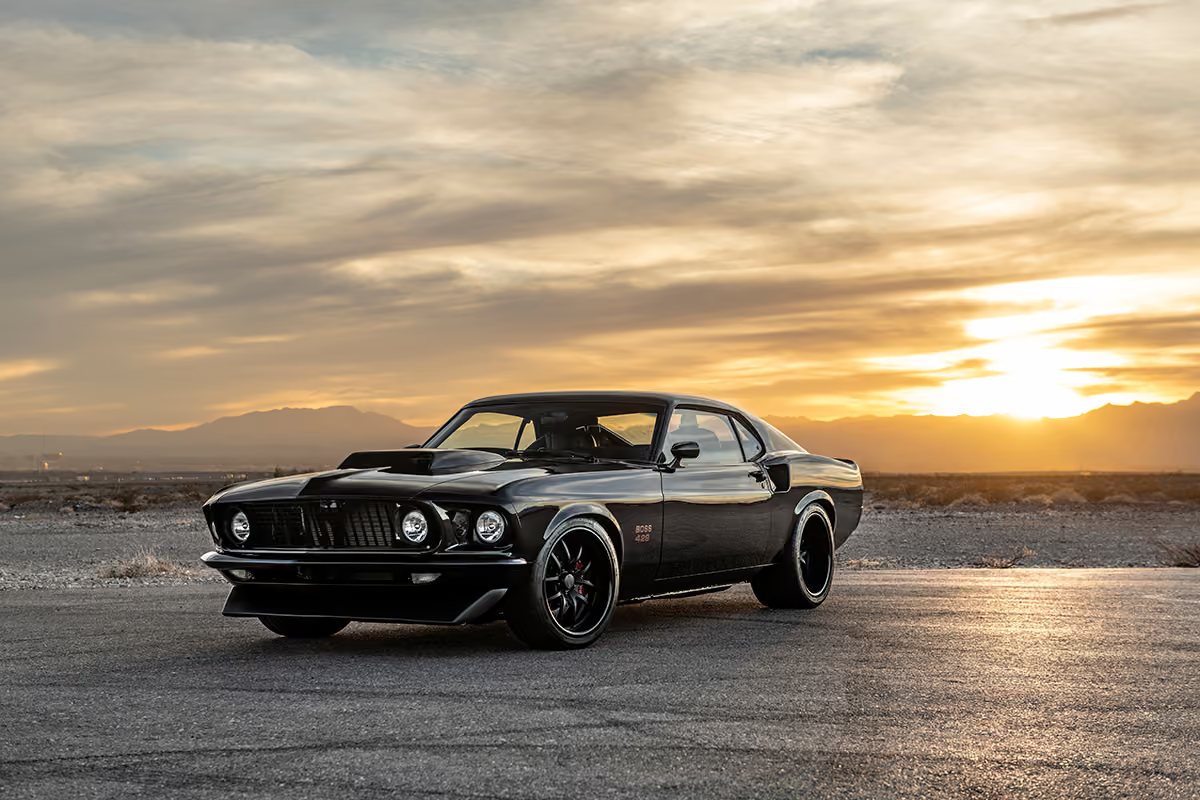
When enthusiasts discuss the top 10 rarest Mustangs, several models appear repeatedly. The 1969 Boss 429 remains near the top thanks to its NASCAR homologation roots and extremely limited production. The 1967 Shelby GT500KR continues to command attention because of its performance credentials and Shelby pedigree, while the 1966 Shelby GT350H stands out for its famous Hertz “Rent-A-Racer” history.
More modern entries also deserve recognition. The 1993 Cobra R has become one of the standout Fox Body collectible Mustangs due to its track-focused configuration and low build numbers. The 1965 Mustang Indy 500 Pace Car remains notable as one of the earliest official special editions tied to major motorsports history.
Regional specials such as the 1968 California Special and the 1970 Twister Special have gained appreciation as enthusiasts dig deeper into Mustang history. Bullitt Mustangs benefit from their strong film connection, while the 1972 Sprint Edition represents an often overlooked but historically interesting package. Any serious conversation about the top 10 rarest Mustangs continues to evolve as survival rates and collector interest shift.
Top 10 Rarest Classic Ford Mustangs
With more than 60 years of continuous production and racing provenance, there are plenty of collectible Mustangs out there. Below is our list of the top 10 rarest Mustangs of all time.
1969 Boss 429
One of the ultimate homologation Mustangs.
Why it matters:
- NASCAR homologation purpose
- Hand-assembled modifications
- Extremely limited production
1967 Shelby GT500KR
“King of the Road” remains legendary.
Highlights:
- High-performance big block
- Shelby pedigree
- Strong enthusiast demand
1966 Shelby GT350H
The famous Hertz “Rent-A-Racer.”
Why collectors love it:
- Unique rental program history
- Limited production
- Cultural significance
GT500CR (Carbon Fiber Continuation)
A high-end continuation interpretation of the Shelby legend.
Why it’s notable:
- World’s first carbon fiber Shelby GT500
- Limited builds
- Strong restomod appeal
1993 Cobra R
A modern classic in the Fox Body world.
Key points:
- Track-focused build
- Limited run
- No rear seat, radio, or AC
1965 Mustang Indy 500 Pace Car
One of the earliest special editions.
Collectibility factors:
- Official pace car connection
- Early production year
- Distinct appearance package
1968 California Special
Regional specials often surprise collectors.
Appeal:
- West Coast heritage
- Unique trim package
- Growing enthusiast interest
1970 Twister Special
A regional promotional Mustang.
Why it stands out:
- Limited regional release
- Distinct graphics
- Increasing recognition
Bullitt Mustangs
Inspired by the legendary movie cars, offered in 2001, 2008, and 2019.
Collectibility drivers:
- Strong cultural tie
- Multiple limited editions
- Enthusiast following
1972 Sprint Edition
An often-overlooked special inspired by the 1972 Olympics.
Why it matters:
- Patriotic theme
- Limited run
- Period uniqueness