

Rock Stars, Racers, and Rebels: Shelby Cultural Legacy
Few names in automotive history carry the cultural weight of Carroll Shelby.
His legacy extends far beyond the vehicles that bear his name. Shelby's influence can be found on racetracks, in Hollywood films, and in the garages of musicians, actors, and collectors who saw something of themselves in the cars he created.
Shelby originally became famous as a race car driver in the 1950s, piloting an Aston Martin to victory at the 24 Hours of Le Mans in 1959. A heart condition forced his retirement from racing, but he was far from finished.
He founded Shelby American and carved out a unique niche for himself as a builder of epic cars and the man you turned to when you wanted to win on the track.
Race Cars and Movie Stars
More than half a century later, Carroll Shelby's pursuit of performance still inspires enthusiasts and collectors alike. Classic Recreations extends that legacy with the GT500CR and GT500CR Carbon—two vehicles that blend Shelby's original spirit with modern engineering.
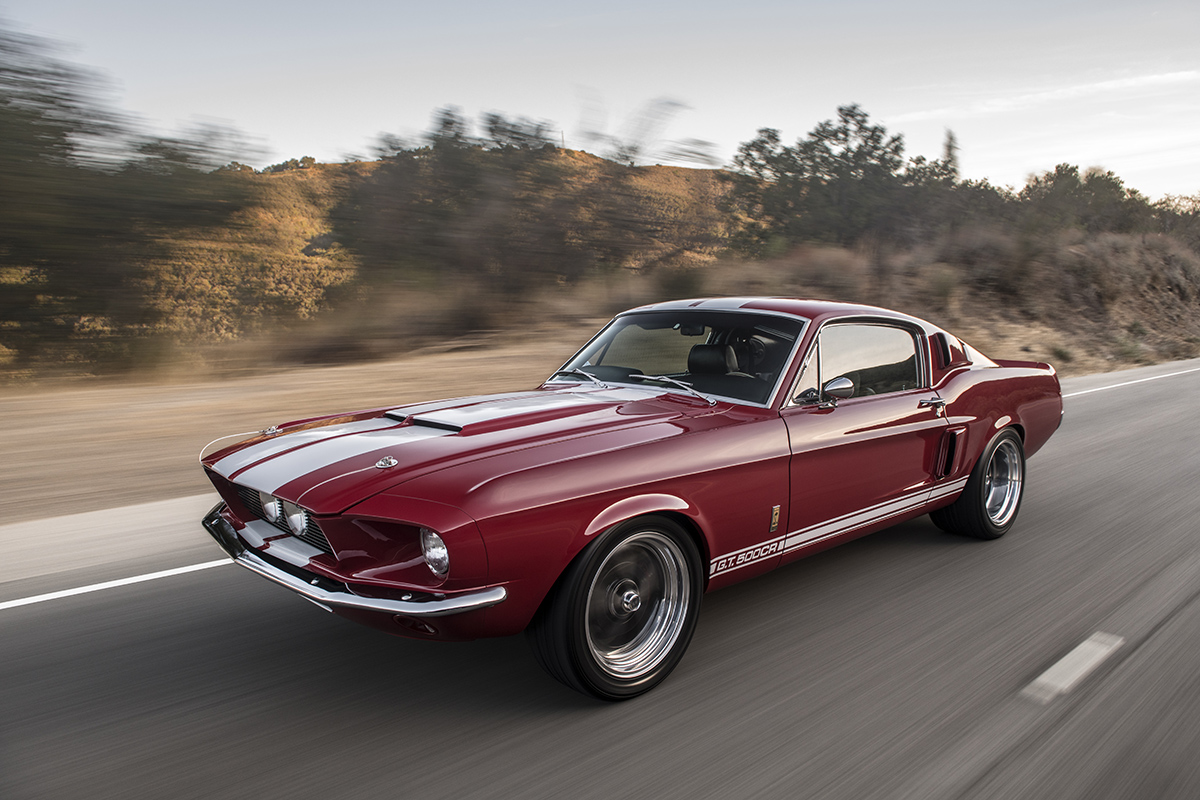
These modern icons are re-engineered updates to the originals that Ford produced in the late 1960s and sent to Shelby American’s California workshop for modifications.
But Shelby worked on numerous other high-performance cars. Some of these cars literally made history. And to top it off, his singularly competitive and rebellious personality was captured for the movies by none other than Oscar-winning actor Matt Damon, who portrayed him in the 2019 movie “Ford vs. Ferrari.”
When Ford Came Calling
In the 1960s, Henry Ford II, the hard-charging grandson of Henry Ford, tried and failed to buy Ferrari. Rebuffed by Enzo Ferrari himself, “The Deuce” decided that he would get his revenge by beating Ferrari at a place it had long dominated: The 24 Hours of Le Mans endurance race in France.
Shelby was called in to chase victory, alongside driver and collaborator Ken Miles. At stake were bragging rights. And for Ford, the chance to put the company on the map for European motorsports.
Nobody thought they could pull it off. Ferrari was Le Mans royalty. Ford was a brash upstart.
It took a few tries – Ford’s initial results were disappointing. But Shelby and his team worked furiously with Ford to bring the GT40 race car to life, and in 1966 the low-slung racer (just 40 inches high, hence the “40” in the name) finished 1-2-3 at Le Mans, ending Ferrari’s lock on the event.
The GT40 would win the race for the next three years in a row.
More Than a Car Builder

After the Le Mans victories and the success of the Shelby Mustang, Carroll Shelby became something larger than an automotive engineer.
He represented a distinctly American ideal: self-made, unconventional, and unwilling to accept limitations. The same qualities that made Shelby successful on the racetrack resonated with musicians, actors, and cultural icons who built their own careers by challenging expectations.
By the late 1960s, owning a Shelby wasn't simply about performance, it became about identity. That is why Shelby vehicles found their way into the garages of rock stars, Hollywood actors, and some of the most influential personalities of the era.
The Shelby That Rock Stars Wanted
While Shelby earned his reputation on the racetrack, his vehicles eventually found their way into an entirely different world.
Musicians, actors, and cultural icons were drawn to Shelby vehicles for the same reason racers were: they reflected an independent spirit. Shelby cars were fast, certainly, but they also projected confidence, individuality, and a willingness to challenge convention.
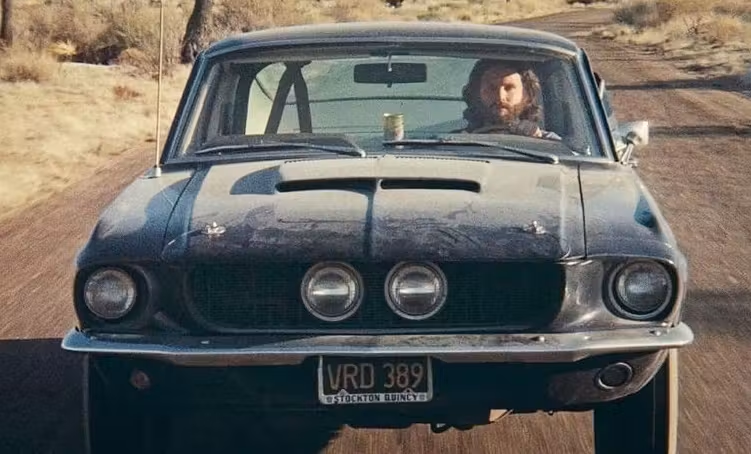
Perhaps the most intriguing story belongs to Jim Morrison.
In 1967, Elektra Records reportedly gifted The Doors frontman a new Shelby GT500. Morrison drove the car throughout Los Angeles before allegedly damaging it in a crash. What happened next remains one of the great mysteries of Shelby history.
The car disappeared.
Over the decades, enthusiasts and historians have searched for the missing GT500, hoping to uncover one of the most famous lost vehicles in American automotive culture. To this day, its whereabouts remain uncertain.
The story has only added to the mythology surrounding Shelby Mustangs.
The Cobra and the Spirit of Rebellion
If the Shelby Mustang became an icon of American performance, the Cobra became something even larger.
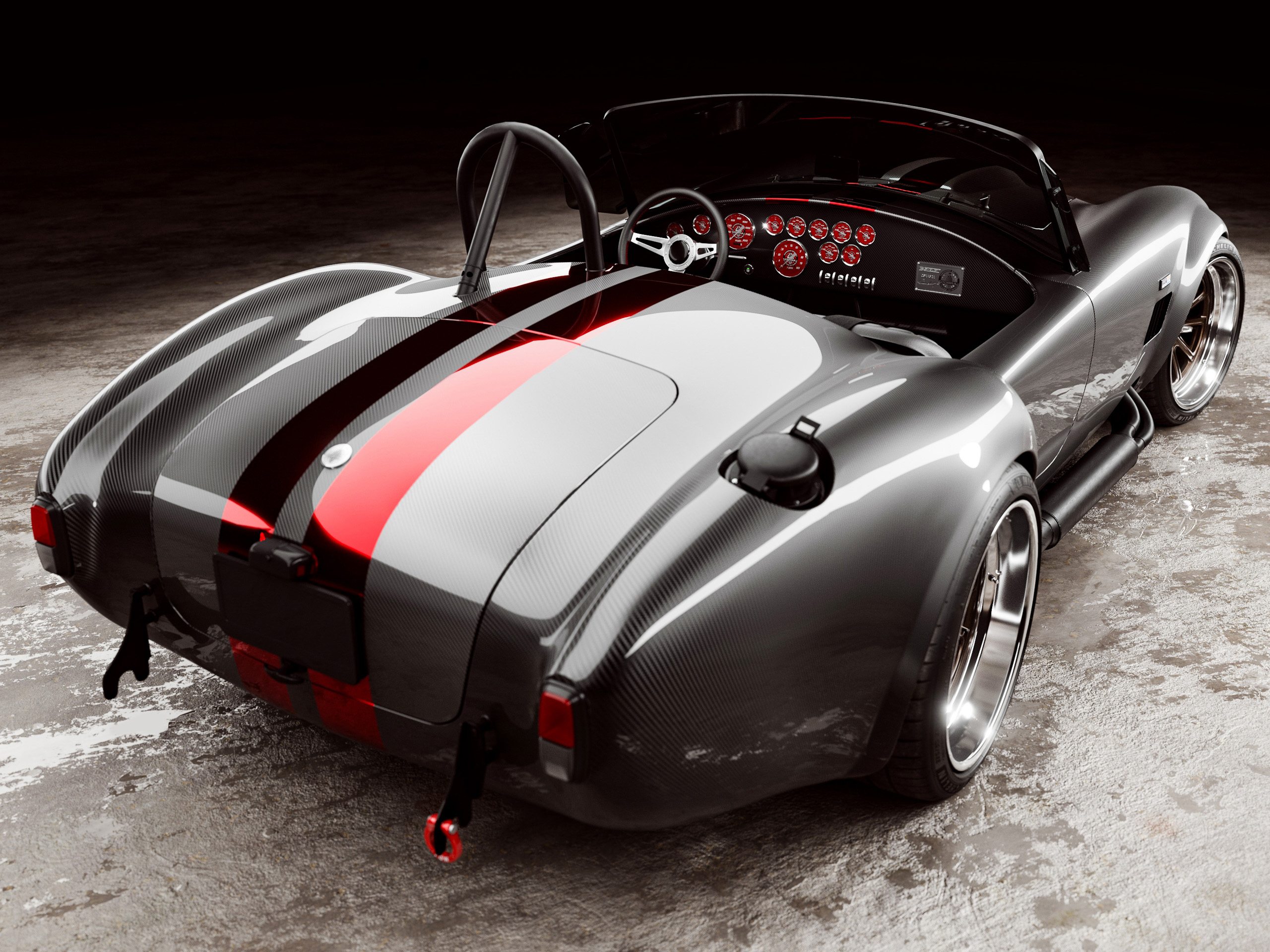
The Cobra represented Carroll Shelby's philosophy in its purest form: reduce weight, increase power, and let performance speak for itself. Its combination of British chassis engineering and American V8 power created a vehicle unlike anything else on the road.
That formula appealed to larger-than-life personalities.
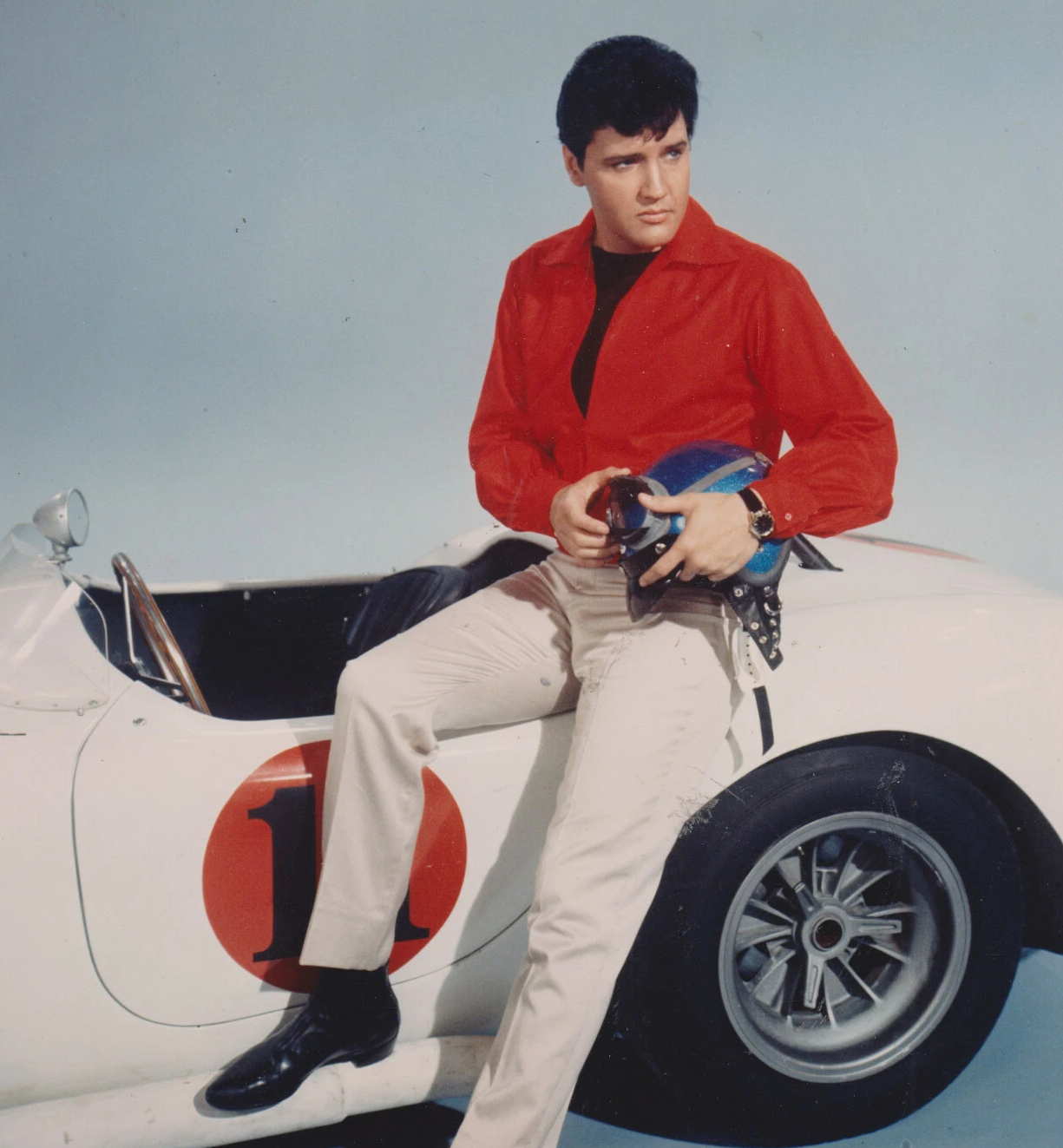
Elvis Presley purchased a Cobra during the height of his fame. Like many Shelby owners, he gravitated toward vehicles that stood apart from the mainstream. Fast, distinctive, and impossible to ignore, the Cobra suited a performer whose influence extended far beyond music.
Long before becoming known for collecting exotic cars, Sammy Hagar developed an appreciation for Shelby performance. The same independent spirit that shaped his music career made Shelby vehicles a natural fit. For enthusiasts like Hagar, the appeal was never just horsepower, it was authenticity.
The Cobra wasn't merely transportation. It was a statement.
Owning one signaled an appreciation for speed, individuality, and a willingness to challenge convention—the same qualities that defined Shelby himself.
The Oldest Living Cobra Owner
Miles Davis collaborator and jazz pioneer Herbie Hancock was a very early Cobra customer. He still owns his car, although he reportedly keeps it garaged and almost never drives in.
It’s so rare that it’s now worth millions, like all the oldest Cobras. And having bought the car in 1963 with royalty money from his hit “Watermelon Man,” Hancock has been a Cobra owner longer than anyone alive.
To this day, the Cobra represents the purest form of the Carroll Shelby mythology. A gruff, self-made man and former Army Air Corps pilot from Texas could rise to the highest levels of international motorsports, design his own take-no-prisoners car, and become an indispensable part of the American imagination.
Hollywood, Collectors, and the Shelby Mystique
Shelby's cultural influence continues to this day. Collectors such as Jay Leno, Tim Allen, and other notable enthusiasts have helped preserve some of the most significant Shelby vehicles ever produced.
While Steve McQueen is most closely associated with the Mustang from Bullitt, he embodied the same performance-driven culture that helped elevate Shelby vehicles to icon status. During the 1960s and 1970s, Shelby and McQueen represented parallel expressions of American performance—one on the racetrack, the other on the silver screen.
Meanwhile, the market for authentic Shelby automobiles remains among the strongest in the collector-car world. What continues to attract enthusiasts is not simply performance. It is the story.
Carroll Shelby represented a uniquely American idea: that determination, ingenuity, and a refusal to accept limitations could challenge even the most established names in the world.
More than sixty years after Carroll Shelby challenged convention, his spirit continues to inspire enthusiasts, collectors, and builders alike. Every GT500CR and GT500CR Carbon carries that legacy forward—not as a recreation of history, but as its continuation.
Explore Classic Recreations Shelby Models
At Classic Recreations, we build a limited number of officially licensed Shelby continuation vehicles each year, including the GT500CR and GT500CR Carbon.
Every vehicle is crafted with respect for the originals while incorporating modern engineering, contemporary performance, and uncompromising attention to detail.
The result is more than a tribute to Shelby history.
It is a continuation of the legacy itself.
Frequently Asked Questions
What is a Shelby continuation car?
A Shelby continuation car is a vehicle built with official licensing that continues the original Shelby lineage. Classic Recreations builds licensed Shelby continuation Mustangs that follow the original design while incorporating modern engineering.
Is a Classic Recreations Shelby a real Shelby?
Yes. Classic Recreations builds officially licensed Shelby continuation cars. They are recognized as part of the Shelby lineage, not replicas or tribute builds.
How is a modern Shelby Mustang different from the original?
Modern continuation cars preserve the design and character of the original vehicles while offering enhanced reliability, braking, handling, comfort, and performance.