


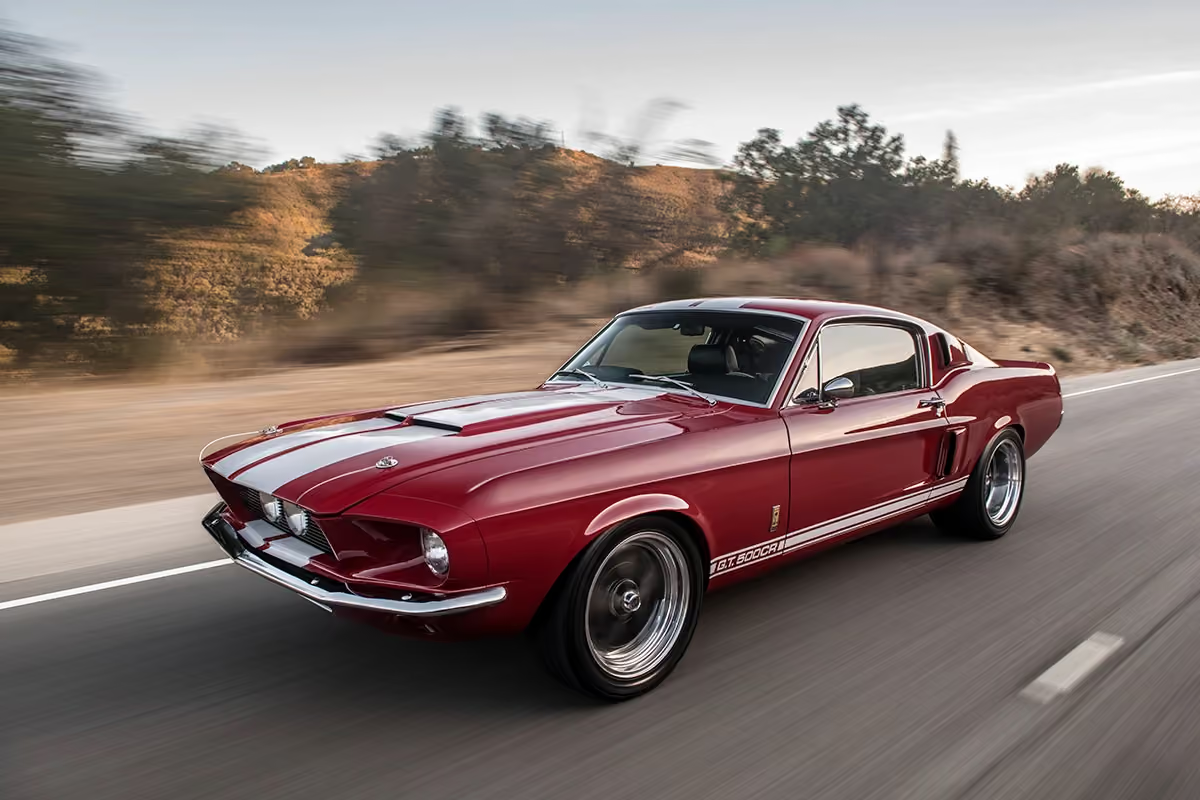
The History Of The Shelby Mustang: From Track Weapon To Modern Continuation
Few American performance cars have achieved the legendary status of the various Shelby Mustang models. More than just a collection of powerful machines, the Shelby lineage represents an evolving partnership between innovation, motorsport ambition, and cultural impact.
When exploring the history of the Shelby Mustang, buyers often discover that today’s continuation cars—such as the officially licensed builds from Classic Recreations—are far more than fiberglass replicas. They are living extensions of the Shelby Mustang original intent: to build world-class performance cars that excite, inspire, and endure.
Who Invented the Mustang Shelby? The Foundation of a Legend
The story begins in the early 1960s. For those asking who invented the Mustang Shelby, the answer lies with Carroll Shelby, a former racing driver turned visionary builder. He had already proven his engineering instincts with the AC Cobra. Ford Motor Company was seeking a way to elevate the image of its new Mustang by injecting authentic racing credibility. Shelby provided exactly what Ford needed: competition expertise, fearless innovation, and a belief that American muscle could compete with Europe’s best.
This collaboration led to the birth of the first Shelby Mustang original prototypes, each engineered with one purpose—win on Sunday, sell on Monday. This alignment of goals between Ford and Shelby laid the foundation for a performance dynasty that defines Ford Mustang Shelby history.
Shelby Mustang Original Origins: Mustang Shelby vs Cobra
The earliest Shelby Mustang models were not designed as mainstream consumer vehicles. They were purpose-built track weapons created to dominate SCCA racing.
To understand the engineering philosophy, one must look at the Mustang Shelby vs Cobra dynamic. While the Cobra was a lightweight, British-bodied roadster stuffed with an American V8, the Mustang was a heavier unibody mass-production car. Shelby’s genius was applying the raw aggression of the Cobra to the Mustang platform. The Mustang Shelby vs Cobra comparison highlights a pivotal moment where Shelby transitioned from building niche sports cars to creating the ultimate American muscle car.
Evolution of Shelby Mustangs By Year: Performance to Icon
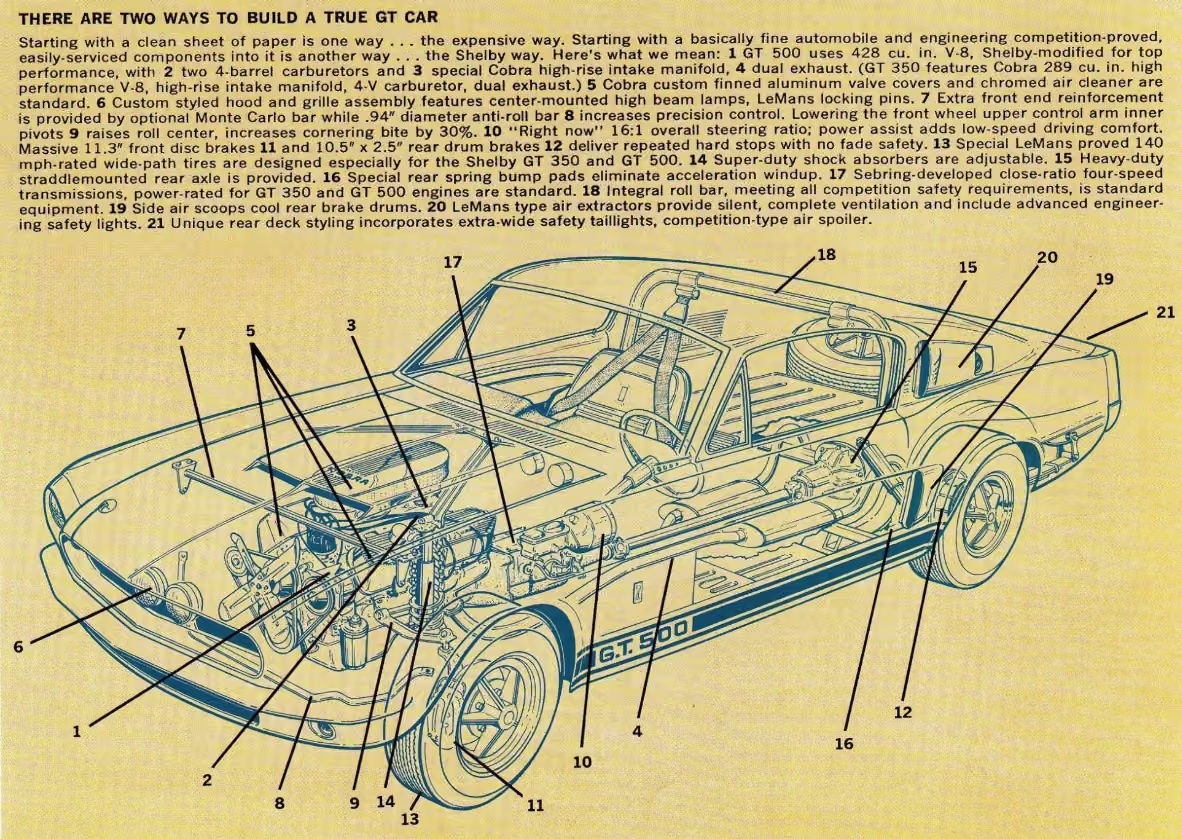
As the 1960s progressed, the lineup evolved. Tracking Shelby Mustangs by year reveals a distinct shift from the raw, track-focused GT350s of 1965–66 to the more powerful, grand-touring nature of the later models.
- 1965-1966: Hard-edged, loud, and built for speed.
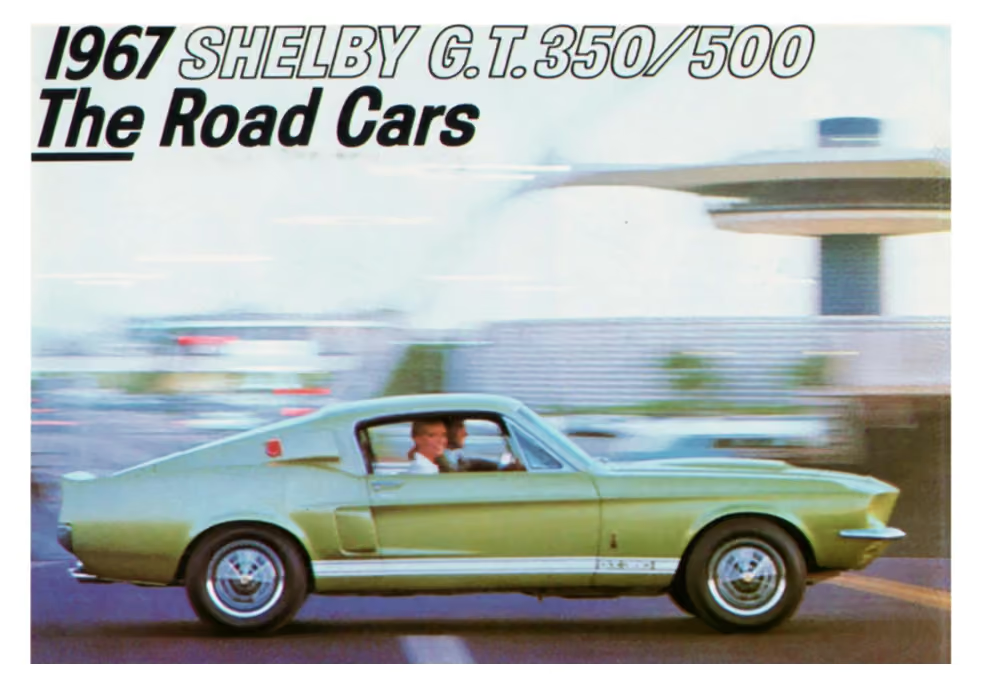
- 1967: The introduction of the GT500, featuring a big-block engine and aggressive styling changes.
By the time the Shelby GT500 debuted for the 1967 model year—featuring a longer nose and a commanding presence—the brand had become a cultural statement. This era is a high point in Ford Mustang Shelby history. The 1967–68 Shelby GT500 has remained one of the most beloved Shelby Mustang models ever produced. Its appearance in the 2000s remake of Gone in 60 Seconds, where the hero car “Eleanor” became a modern icon, fueled a new generation of enthusiasm.
The Rise of Shelby Continuation Cars
As interest in vintage Shelbys surged, the value of a Shelby Mustang original skyrocketed. Restorations became complex, and demand for authentic craftsmanship exceeded supply. This led to the development of Shelby continuation cars, officially licensed vehicles built to original specifications—or improved upon using modern engineering.
The significance of proper licensing cannot be overstated. Shelby continuation cars approved by Shelby American are trusted to carry forward the heritage with accuracy. For collectors, a licensed continuation car offers the rare opportunity to experience a brand-new vehicle with the soul of the Shelby Mustang original classics.
How Modern Builds Honor Shelby Mustang Models of the Past
Continuation cars blend historical reverence with modern build quality. While complying with today’s safety and manufacturing standards, licensed builders work to preserve the spirit of the history of the Shelby Mustang. This includes period-correct styling and performance capabilities that reflect what Carroll Shelby himself pursued.
Most importantly, these cars allow enthusiasts to experience the Shelby Mustang models as they were originally intended: not as fragile museum pieces, but as living, breathing performance machines.
Classic Recreations: Continuing the Legacy
Within this respected lineage, Classic Recreations occupies a unique position. As a builder of officially licensed 1967–68 Shelby GT500 Shelby continuation cars, Classic Recreations combines historical accuracy with world-class craftsmanship. The company’s work reflects a deep understanding of Ford Mustang Shelby history and a commitment to delivering vehicles that truly embody the spirit of the originals.
Where many builders focus primarily on specs, Classic Recreations focuses on the emotional connection that defines the Shelby Mustang original experience. Each car they build is part of the ongoing story—a continuation not just of a model, but of a legacy.
The Shelby Legacy Continues
The history of the Shelby Mustang is the story of a bold partnership born from a desire to dominate racing. From the early debates of Mustang Shelby vs Cobra to the dominance of the GT500, the legend has only grown. Classic Recreations carries this tradition forward with licensed builds that not only ensure Shelby Mustangs remain relevant today but also honor Carroll Shelby’s vision with every engine start.