


Continuation vs Replica: Understanding the Difference Before You Buy
Some of the most desirable classic vehicles were never produced in large numbers. Limited-production models, historically significant trims, and cars with racing or cultural provenance have created a market where demand now far exceeds original supply. That gap has given rise to two terms that classic car collectors see often—replica vehicles and continuation cars—and while they are sometimes used interchangeably, they represent very different types of vehicles with very different ownership implications.
At a glance, both terms may capture the look and spirit of an iconic model. In practice, the distinction between a replica vehicle and a continuation car reaches far beyond appearance. It affects legitimacy, documentation, insurance eligibility, resale behavior, and long-term collectibility. For buyers researching “what is a continuation vehicle” or asking “what are replica cars,” understanding this difference before purchasing is essential.
What Buyers Usually Mean When They Say “Replica Vehicles”
When buyers ask “what are replica cars,” they are typically referring to vehicles built to visually resemble a historic model, often using a donor chassis or modern platform. Replica vehicles are not produced as part of an officially defined continuation program and generally do not carry standardized documentation tying them to the original manufacturer or brand lineage.
That does not mean replica vehicles lack craftsmanship or appeal. Many are well-built and enjoyable to own. However, because replica vehicles are created outside of formal continuation frameworks, the build standards, documentation, and classification can vary significantly from one example to the next. This variability places replica vehicles in a gray area of the collector market.
What is a Continuation Vehicle?
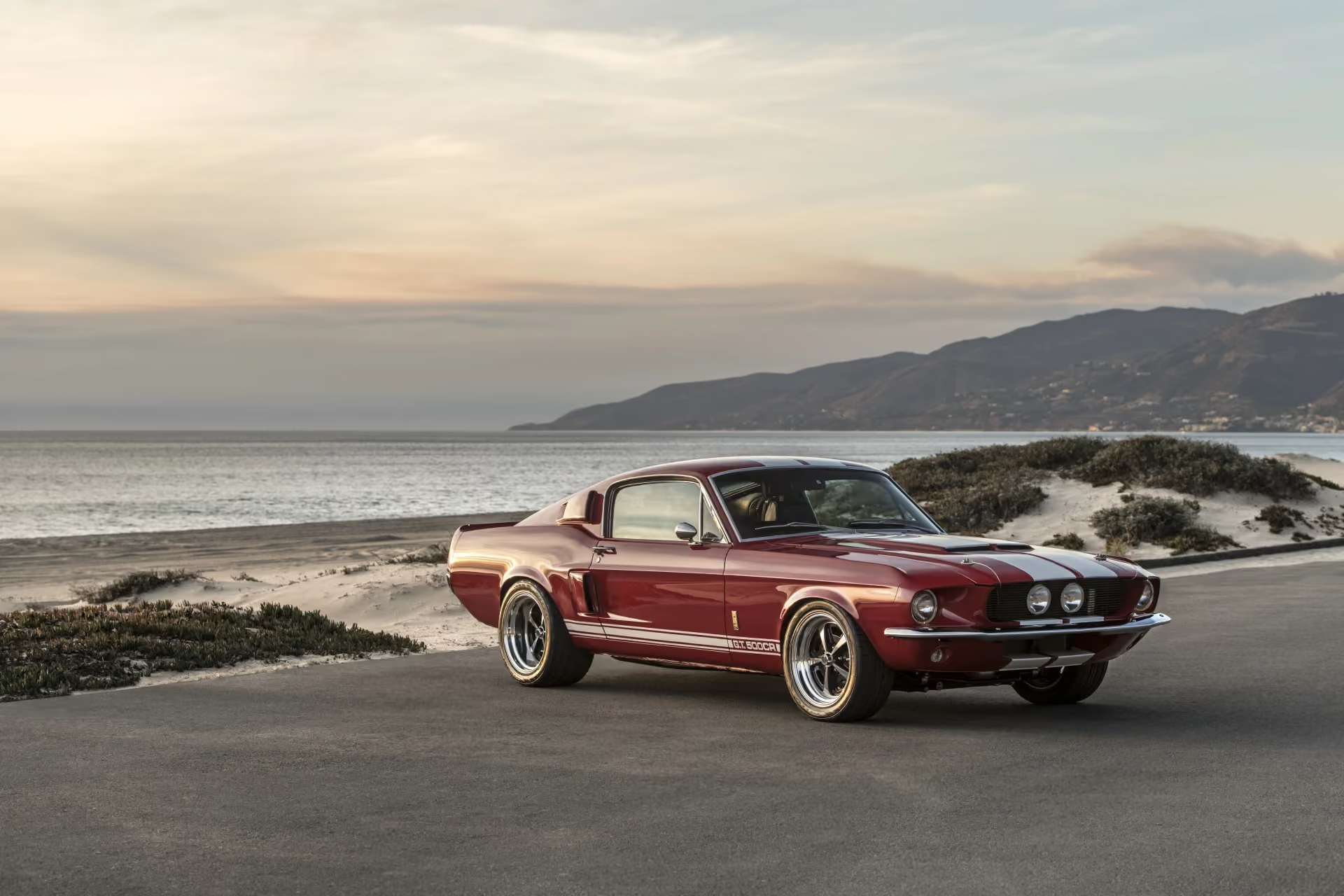
So, what is a continuation vehicle? A continuation vehicle is a newly built car produced as part of a formally defined, documented program intended to continue the lineage of a historically significant model. Continuation cars are neither restorations nor replicas; they are purpose-built vehicles created with clear authorization, consistent specifications, and traceable provenance.
A continuation car is typically produced in limited numbers, adheres closely to original design and engineering intent, and is accompanied by documentation that clearly establishes what the vehicle is—and what it is not. For collectors and serious enthusiasts, this clarity matters.
Why Continuation Cars and Replica Vehicles Are Treated Differently
The difference between continuation cars and replica vehicles becomes most apparent after the purchase. Insurance providers, lenders, auction houses, and collectors all evaluate these vehicles differently. Continuation cars often qualify more easily for agreed-value insurance due to their documentation and recognized classification. Replica vehicles may require additional explanation or underwriting review, depending on how they are titled and described.
Market behavior reflects this distinction as well. Continuation cars tend to demonstrate more consistent resale patterns because buyers understand exactly what they are purchasing. Replica vehicles, by contrast, can experience wider valuation swings due to inconsistent terminology, undocumented builds, or unclear origin stories.
Ownership Experience: Consistency vs Variability
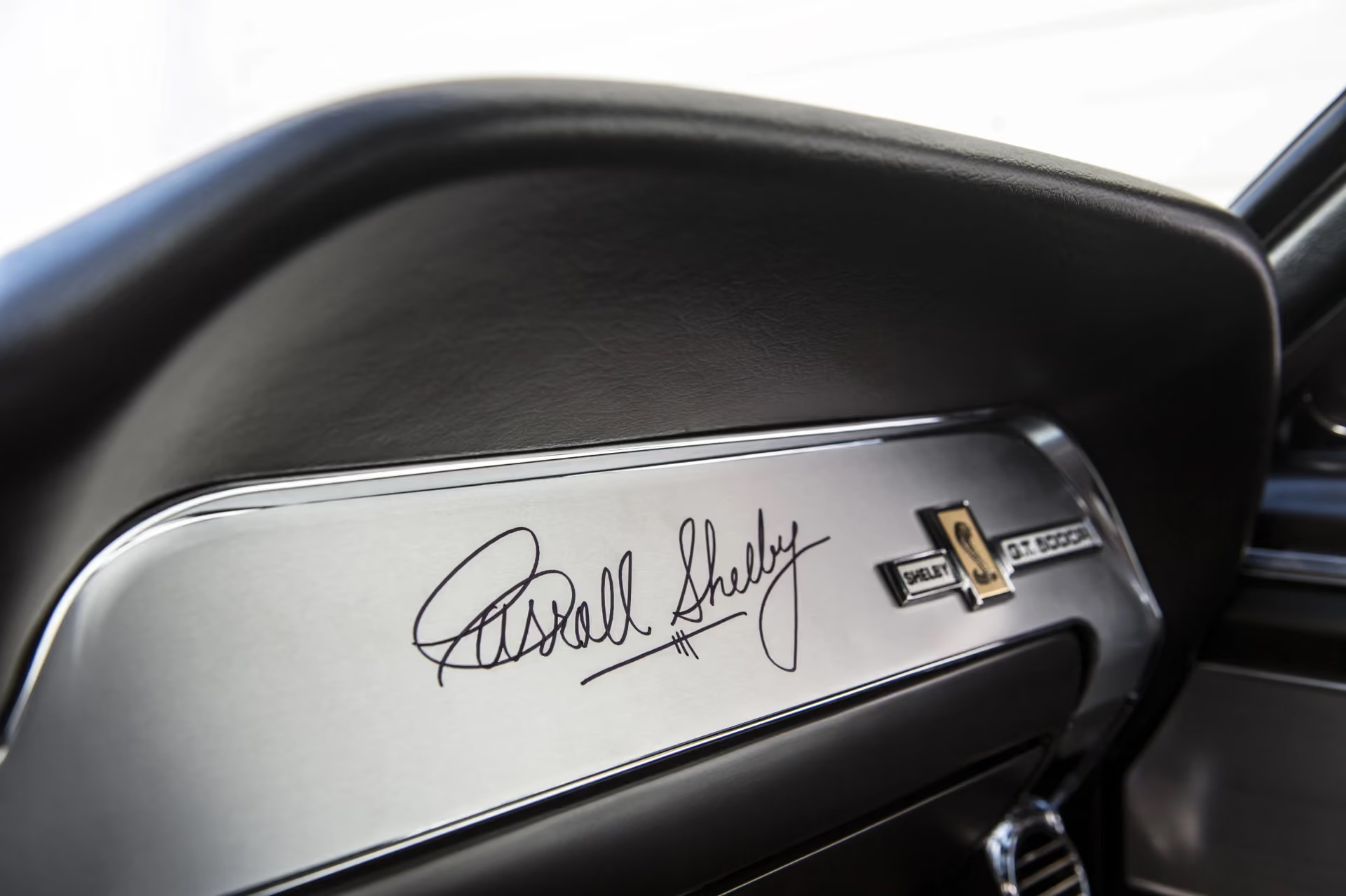
Ownership experience is another key point of separation. Continuation cars are built to a defined standard. Engineering, components, and documentation are consistent across examples, which simplifies insurance, service, and resale. Owners know what they have and how the market views it.
Replica vehicles can offer rewarding ownership experiences as well, but those experiences often depend heavily on the individual build. Differences in craftsmanship, components, and documentation can influence maintenance requirements, valuation, and long-term confidence.
Questions Buyers Should Ask Before Purchasing
Before purchasing any vehicle represented as a replica or continuation, informed buyers should ask:
- Is this vehicle part of a formally defined continuation program?
- What documentation accompanies the build?
- How is the vehicle titled and insured?
- How many examples exist?
- How does the market typically classify and value similar vehicles?
These questions cut through surface-level descriptions and help determine whether a buyer is evaluating a continuation car or one of many replica vehicles.
Continuation Cars vs Replica Vehicles: A Clear Comparison
Making an Informed Decision
Understanding the difference between replica vehicles and continuation cars allows buyers to move forward with confidence in a market where terminology is often blurred. For collectors seeking documentation, legitimacy, and long-term ownership clarity, continuation vehicles provide structure where uncertainty might otherwise exist.
Builders such as Classic Recreations focus on producing continuation cars with clearly defined standards and records, giving buyers the confidence that what they are purchasing is fully understood—today and years down the road.
Frequently Asked Questions
What is a continuation vehicle?
A continuation vehicle is a newly built car produced as part of a documented program that continues the lineage of a historically significant model.
What are replica cars?
Replica cars are vehicles built to resemble classic models but without formal authorization or standardized documentation.
Are continuation cars collectible?
Yes. Continuation cars are widely regarded as collectible due to limited production, documentation, and market recognition.
Are replica vehicles a poor choice?
Not necessarily. Replica vehicles can be enjoyable to own, but buyers should understand documentation, insurance, and resale implications before purchasing.