

What Is a Licensed Continuation Vehicle—and Why It Matters
When exploring the world of iconic classic cars, terms like replica, tribute, and kit car get tossed around frequently. Understanding the difference between these types of vehicles and licensed continuation vehicles is essential for anyone considering a high-end classic car purchase—both in terms of craftsmanship and heritage.
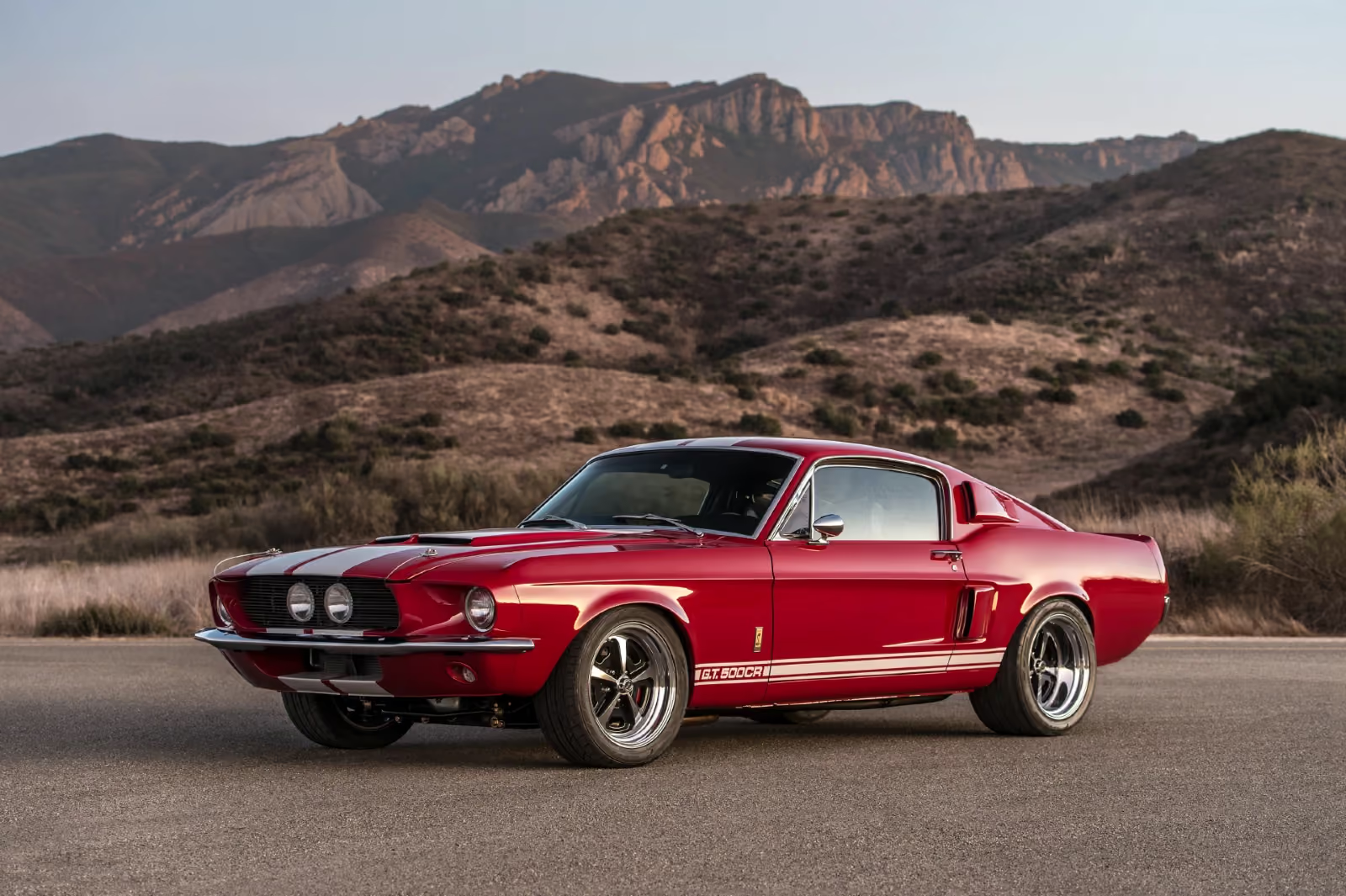
Anyone can slap a Shelby badge and Thunderbird taillights on a Mustang and call it a Shelby GT500, but only Classic Recreations can build an officially licensed continuation car that carries true Shelby heritage, proper documentation, and authentic lineage recognized by the brand itself. A licensed continuation vehicle offers not only the iconic styling of a legendary classic but also the legitimacy, traceable documentation, and long-term value that come with official factory authorization.
This article explains what licensed continuation vehicles are, how they differ from replicas and kit cars, and why licensing directly impacts legality, insurance, resale value, and overall ownership confidence. In a market filled with tributes, kits, and look-alikes, buyers deserve clarity about what they are truly investing in.
What Exactly Is a Licensed Continuation Vehicle?
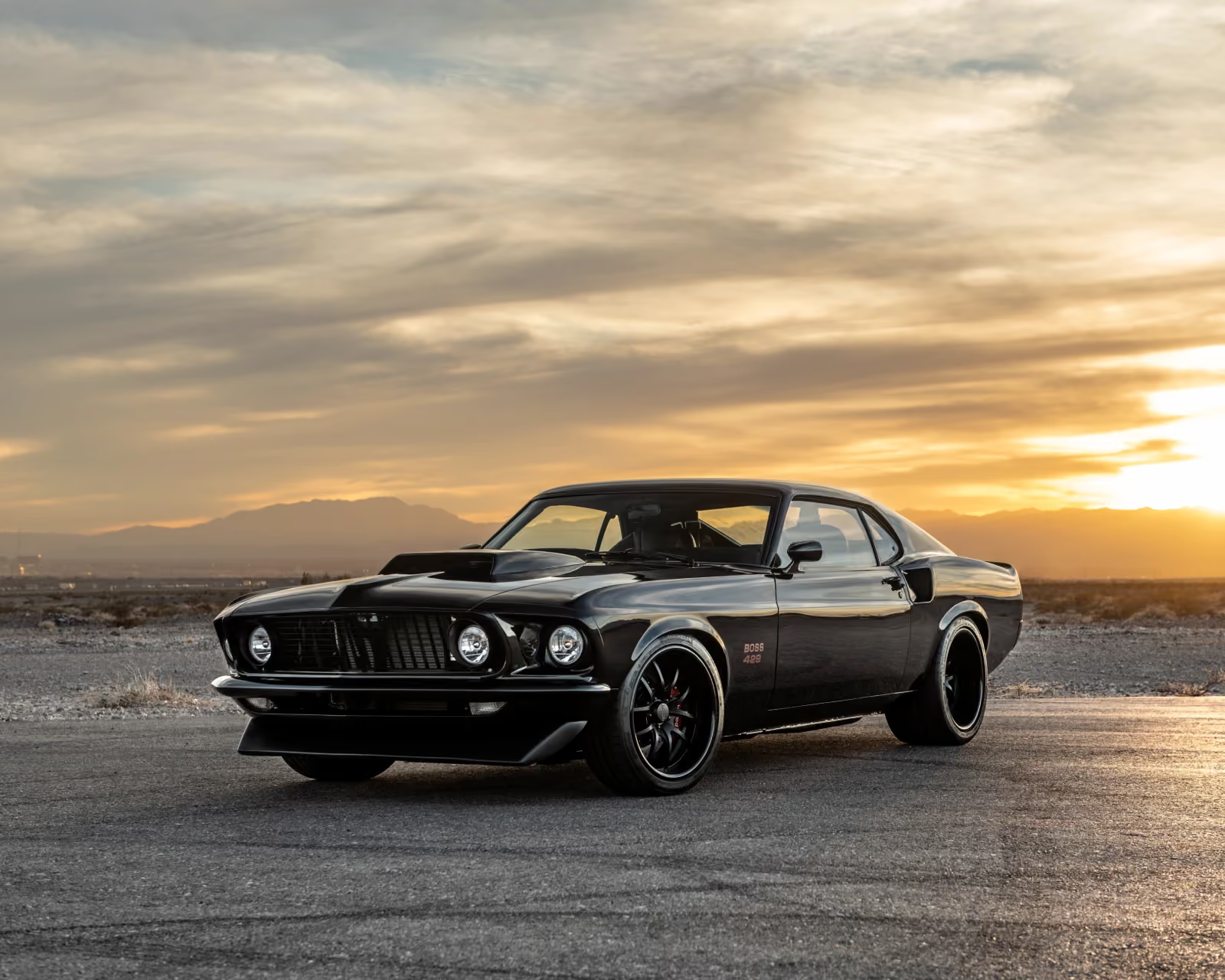
A licensed continuation vehicle is a factory-authorized, newly built version of a historically significant classic car. Unlike replicas or tribute builds, a continuation vehicle is produced under an official license from the automaker or rights holder. This means it is part of the model’s recognized lineage, not an imitation, interpretation, or aftermarket homage. Think of it as a continuation of a legacy: the same look, same spirit, and same place in automotive history, built today by approved craftsmen.
Why Licensing, VINs, and Documentation Matter
Licensing is the foundation that gives a continuation vehicle its legitimacy. An official license allows the manufacturer to use authentic branding, model names, and design elements while adhering to the standards established by the original automaker.
Equally important is the Vehicle Identification Number (VIN). Licensed continuation vehicles receive proper VINs and documentation that clearly identify the car as a legitimate continuation—not a kit or replica. This documentation becomes essential when registering the vehicle, acquiring insurance, and proving authenticity for future resale. Licensed cars also come with traceable build records that stand up to long-term scrutiny, preserving their historical integrity.
Continuation Vehicles vs. Replicas: A High-Level Comparison
Replicas, kit cars, and tribute builds may resemble classic vehicles, but they do not carry factory authorization or recognized provenance. While they can be enjoyable enthusiast projects, they typically use third-party body kits, mixed donor components, and generic VIN assignments (or assigned VINs).
A licensed continuation vehicle, on the other hand:
- Is factory-authorized and brand-legitimate
- Uses approved designs and specifications
- Carries proper documentation and identity
- Maintains verifiable links to the original model’s heritage
This distinction impacts far more than aesthetics; it determines the car’s legal status, insurance classification, and long-term viability as a collectible.
How Licensing Affects Legality, Insurance, Resale, and Value
The presence of proper licensing has a measurable impact on ownership. Legally, licensed continuation vehicles avoid the uncertainty sometimes associated with replicas or kit cars, because they have clearly defined documentation and identity. When it comes to insurance, licensed vehicles are easier for underwriters to classify, often resulting in better coverage options and fewer complications. For resale, authenticated licensing provides confidence to future buyers, making the vehicle more attractive in the marketplace. Over time, legitimate continuation vehicles generally hold their value more reliably because they are recognized extensions of an iconic automotive lineage rather than unlicensed interpretations.
The ripple effect of proper licensing is substantial:
- Legality: Licensed continuation vehicles avoid the regulatory uncertainty sometimes associated with replicas or kit cars. Clear documentation ensures smoother registration and compliance with jurisdictional requirements.
- Insurance: Insurers treat licensed continuation vehicles as recognized, legitimate models. This typically results in more transparent underwriting, better coverage options, and fewer complications.
- Resale Confidence: Buyers and collectors value traceable authenticity. A licensed continuation vehicle comes with verifiable paperwork that protects its identity and makes it far more desirable in the market.
- Long-Term Appreciation: While no vehicle’s value is guaranteed, licensed continuation cars historically hold their worth better because they are officially recognized extensions of an iconic automotive lineage—not unlicensed interpretations.
Classic Recreations’ Commitment to Building Only Legitimate Vehicles
Classic Recreations builds only legitimate, licensed continuation vehicles—never replicas, tributes, or kits. Our work is rooted in respect for the original automaker’s standards, and every car we produce carries full documentation, proper VIN assignment, and official authorization. This commitment ensures that buyers receive vehicles with the authenticity, credibility, and long-term value that only licensed continuation cars can offer. Our goal is to preserve automotive heritage with craftsmanship that honors the past while meeting the standards of modern performance and reliability.
Summary: Why Licensed Continuation Vehicles Matter
Licensed continuation vehicles provide buyers with authentic lineage, proper documentation, and greater long-term value compared to replicas or kit cars. Licensing influences everything from legality and insurance to resale and collectability, making it one of the most important factors in purchasing a classic-style performance vehicle. For buyers seeking genuine heritage—not imitation—a licensed continuation vehicle delivers a driving and ownership experience rooted in authenticity and backed by official factory approval.
Frequently Asked Questions (FAQs)
What is a licensed continuation vehicle in simple terms?
It is a factory-authorized version of a classic car, backed by the original automaker or rights holder.
How is a continuation vehicle different from a replica?
A continuation vehicle is officially licensed and documented, while a replica imitates the look of the original without factory authorization.
Why are licensing and VINs important?
They ensure the vehicle is legally recognized, properly documented, easier to insure, and more desirable for future resale.
Do licensed continuation vehicles hold their value better?
Yes. Licensed continuation vehicles typically retain value more reliably because they are authenticated and recognized by the market.
Does Classic Recreations build replicas or kit cars?
No. Classic Recreations builds only legitimate, licensed continuation Shelby vehicles with full documentation and proper VIN assignment.